Steering Committee
Professor, Dongkyun Kim
KyungPook National University, IACST Professor, Pyeoungkee Kim
Silla University, IACST Professor, Rattasit Sukhahuta
Chiang Mai University, Thailand Professor, TaeSoo Yun
Dongseo University, South Korea Principal Researcher, Thepchai Supnithi
NECTEC, Thailand Professor, EunYi Kim
Konkook University, South Korea Professor, Guydeuk Yeon
Christ University, India Professor, Intiraporn Mulasastra
Kasetsart University, Thailand Professor, Rolly Intan
Petra Christian University, Indonesia CEO, SangHyo Lee
Namu Edutech, IACST Professor, SeHyun Park
Daegu University, South Korea Ajarn, Somchoke Ruengittinun
Kasetsart University, Thailand Professor, YongUk Lee
Tokyo Polytechnic University, Japan Chief, Adam Chee
Smart Health Leadership Centre, National University of Singapore, Singapore President, Bill Chen
Zhejiang Creative Textile Industry Research Institute, China Professor, Donghwa Lee
Daegu University, South Korea Professor, Elena Tsomko
Dongseo University, Russian Federation Professor, Fei Hao
Shanxi Normal University, China Professor, Hak Yi
Kyungpook National University, South Korea Professor, Hisaki Nate
Tokyo Polytechnic University, Japan Professor, Hyeyoung Ko
Seoul Women's University, South Korea Professor, Hyunjin Chun
Nanjing University of Aeronautics and Astronautics, China Professor, I Putu Agung Bayupati
Udayana University, Indonesia Professor, Jaeho Pyeon
San Jose State University, USA Professor, Jiman Hong
Soongsil University, South Korea Dr., Junyeop Kim
Daegu Catholic University, South Korea Professor, Kiesu Kim
Silla University, South Korea Professor, KyungSoo Kwon
Dongseo University, IACST Professor, Lee Yun Li
Sunway University, Malaysia Professor, Mustafa Eren Yildirim
American University of Malta, Turkey Professor, Ngoc Le
Swinburne University of Technology, Vietnam Professor, Phuong Anh Nguyen
École de Technologie Supérieure (ETS) Université du Québec, Canada Professor, Seungpok Choi
Silla University, South Korea Professor, Sian Lun Lau
Sunway University, Malaysia Professor, Sungpil Lee
Dongseo University, South Korea Professor, Tae-Young Byun
Daegu Catholic University, South Korea Professor, Ted Shin
Denver Metropolitan University, USA Professor, Xia Yingchong
Zhijiang College of Zhejiang University of Technology, China Professor, Yulia M. Kom
Petra Christian University, Indonesia Professor, Saw Seow Hui
University of TUNKU ABDUL RAHMAN, Malaysia Professor, Soonki Jung
Kyungpook National University, South Korea Professor, Weeraphan Chanhom
Chiang Mai University, Thailand | Organizing Committee
Honorable Chairs Prof. ChongKi Kim
Director of Shanghai University of Engineering Science. Prof. Pyeoungkee Kim
CEO of IACST
pkkim95@gmail.com Prof. TaeSoo Yun
Dongseo University, Korea Prof. Rattasit Sukhahuta
Chiang Mai University Organizing Chairs Prof. Dongkyun Kim
Kyungpook Natl. University, Korea Prof. Soonki Jung
Kyungpook Natl. University, Korea Registration Chairs Prof. SeHyun Park
Daegu University, Korea Prof. Junghun Kim
Daegu Catholic University Local Arrangement Chairs Prof. Jong Hee Kim
Shanghai University of Engineering Science Prof. Hosung Myung
Shanghai University of Engineering Science Publicity Chairs Prof. Bong Hwan Kim
Daegu Catholic University, Korea Prof. Sang-II Choi
Daegu Catholic University Publication Chair Prof. KyungSu Kwon
Dongseo University, Korea Prof. Soobin Jeon
Daegu Catholic University
Technical Program Committee
TPC Chairs Prof. Tae-Young Byun
Daegu Catholic University, Korea
tybyun@cu.ac.kr Prof. Dukyun Nam
Kyungpook National University, Korea Prof. Lee Yun Li
Sunway University, Malaysia Prof. Somchoke Ruengittinun
Kasetsart University, Thailand Prof. Sungpil Lee
Dongseo University, Korea Prof. Hyeyoung Ko
Seoul Women's University, Korea Prof. Zhou Jia Ni
Dongseo University, Korea Prof. SungHoon Cho
Dongseo University, Korea Prof. GuHee Yoon
Dongseo University, Korea Prof. Souhwan Choe
Daegu Catholic University, Korea Dr. Junyeop Kim
Daegu Catholic University, Korea
bootcamp@cu.ac.kr Mr. Chungkyo Jung
Former President of PIPA, Korea
International Advisory Committee
Prof. Kwangyun Wohn
KAIST, Korea Prof. Chonggi Kim
Shanghai University of Science & Technology, China Prof. Tongjin Kim
Purdue University, USA |












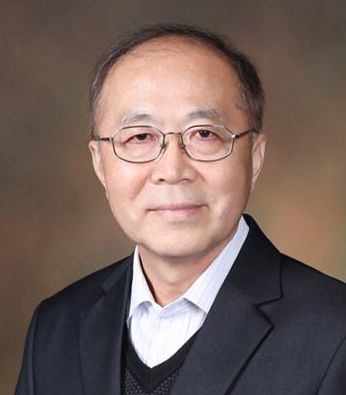 Kwangyun Wohn is an honorary professor of KAIST and served as Chairperson of National Research Council of Science and Technology (NST). He founded the Graduate School of Culture Technology (GSCT) at KAIST and served as Dean. His research focuses on virtual reality technology applied to cultural artifacts such as stage performances, museum exhibitions and educational contents.